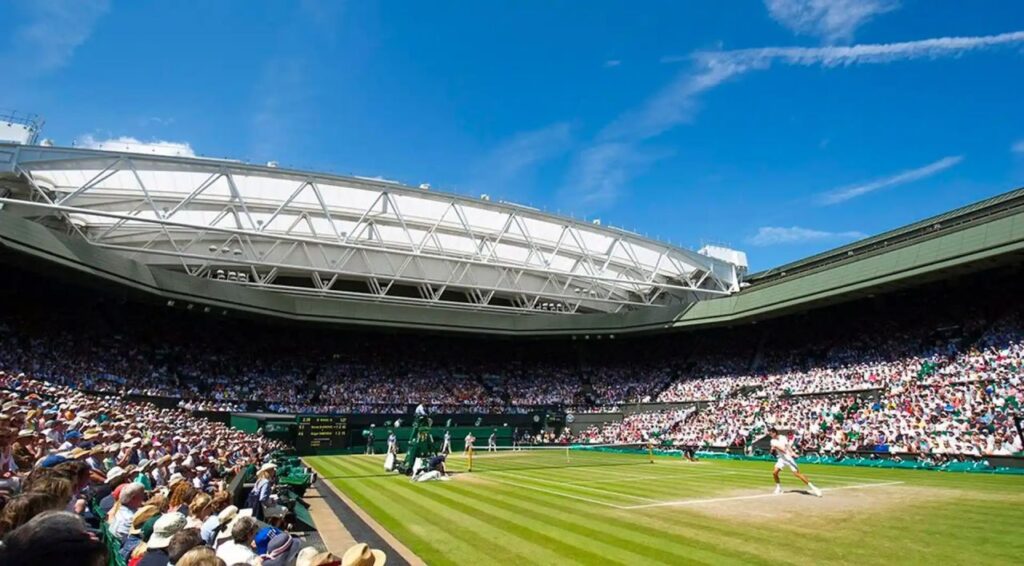
Some sporting events entertain us. Others become part of who we are.
Every July, as Wimbledon begins, millions of people don’t just watch tennis. They reconnect with childhood memories, impossible dreams and a tournament that has become woven into family traditions across generations.
That’s a kind of value that no marketing campaign can create.
As Wimbledon begins, I’m reminded that tennis possesses something incredibly valuable that no emerging sport can manufacture overnight: emotional equity.
As a child growing up close to Wimbledon, I remember watching the tournament, imagining what it must feel like to walk through those famous doors wearing all white, hearing the applause and believing, however unrealistic, that one day you might stand there yourself.
That dream starts long before anyone can hit a decent backhand…It’s built over generations.
Today, padel and pickleball are rightly attracting investment, participation and headlines. They are exciting additions to the racket sports landscape and both have bright futures. But history doesn’t compound in a decade.
Tennis has been doing it for well over a century.
Wimbledon welcomed more than 526,000 spectators in 2025, making it one of the world’s largest annual sporting events, while its global broadcast reaches hundreds of millions of viewers across more than 200 territories (Source: AELTC/Wimbledon).
Those numbers reflect more than popularity. They reflect decades of memories passed from parents to children, coaches to players, champions to dreamers.
The same applies to participation. According to the International Tennis Federation Global Tennis Report, there are approximately 106 million tennis players worldwide, making it one of the world’s most played sports. That’s not simply because tennis is a great game. It’s because generations have grown up believing it was worth learning.
Every racket sport should celebrate growth. I certainly do.
But growth and legacy are different things.
One can be accelerated through investment.
The other has to be earned.
That’s why I believe tennis shouldn’t try to imitate newer sports, nor should it become defensive about their rise. Its greatest competitive advantage has never been speed. It’s depth. The emotional connection built over decades is an asset that compounds every single year.
Perhaps that’s why, every July, Wimbledon still captures something no balance sheet can measure. It reminds us that sport isn’t only about participation figures or facility development. It’s about aspiration. About memories. About children watching from their living rooms and deciding that one day, they want to be there too.
Thats something time remains the only real architect of.
(Originally published on LinkedIn)