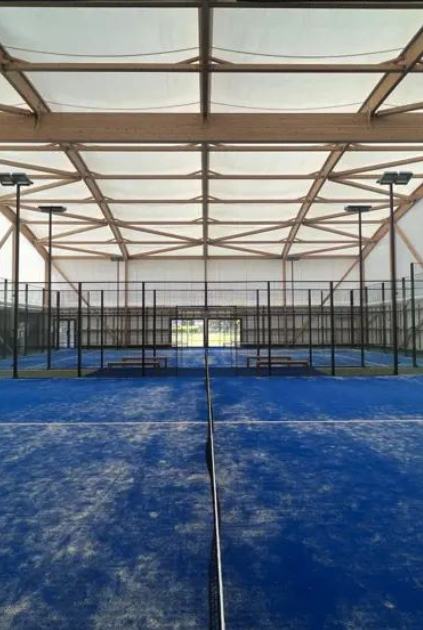
The first time I walked into an empty padel club in Sweden, something felt off.
The courts were new. The build quality was solid. The sport was still “booming” in the headlines.
But the atmosphere didn’t match the narrative.
That moment changed how I think about growth in racket sports.
We often obsess over participation numbers. They’re easy to quote, easy to celebrate, and easy to misunderstand. What they rarely tell you is whether growth is sustainable.
Facilities tell that story far more honestly.
Since 2020, global growth has roughly looked like this
(sources: International Tennis Federation, SFIA – Sports & Fitness Industry Association, PLAYTOMIC Global Report, CAA Portas Analysis):
• Tennis participation: ~+26%
• Tennis courts: ~+21%
• Padel participation: ~+100%
• Padel courts: ~+200%
• Pickleball participation: ~+500%
• Pickleball courts: ~+1,950%
On paper, Sweden’s padel boom looked like a success story.
In reality, it became a lesson in overshoot.
Between 2019 and 2022, court supply accelerated faster than participation could realistically support. Capital followed momentum. Similar clubs opened with similar layouts, pricing, and assumptions about peak utilization lasting forever.
When post-COVID demand normalized, utilization dropped.
Margins tightened.
Some operators adapted. Others quietly listed their clubs for sale.
Padel didn’t fail in Sweden.
The market corrected.
And that distinction matters.
Participation shows interest.
Infrastructure shows belief — but belief without discipline turns into oversupply.
Courts don’t get built because people talk about a sport.
They get built because investors, operators, and municipalities believe demand will still exist five to ten years from now — and that it can be monetized responsibly.
That’s why facility growth is the most honest signal in sport.
It reveals:
• How confident capital really is
• Whether formats are differentiated or copy-pasted
• If growth is being designed — or simply chased
Tennis isn’t declining. It’s structurally mature.
Padel and pickleball aren’t “winning.” They’re still being built.
And every sport that goes through this phase faces the same test:
Can it convert participation into durable infrastructure without repeating the mistakes of its fastest markets?
So when you read the next growth headline, ask yourself:
Are you watching player numbers…
or listening to what the empty courts are already telling us?
(Originally published on LinkedIn)